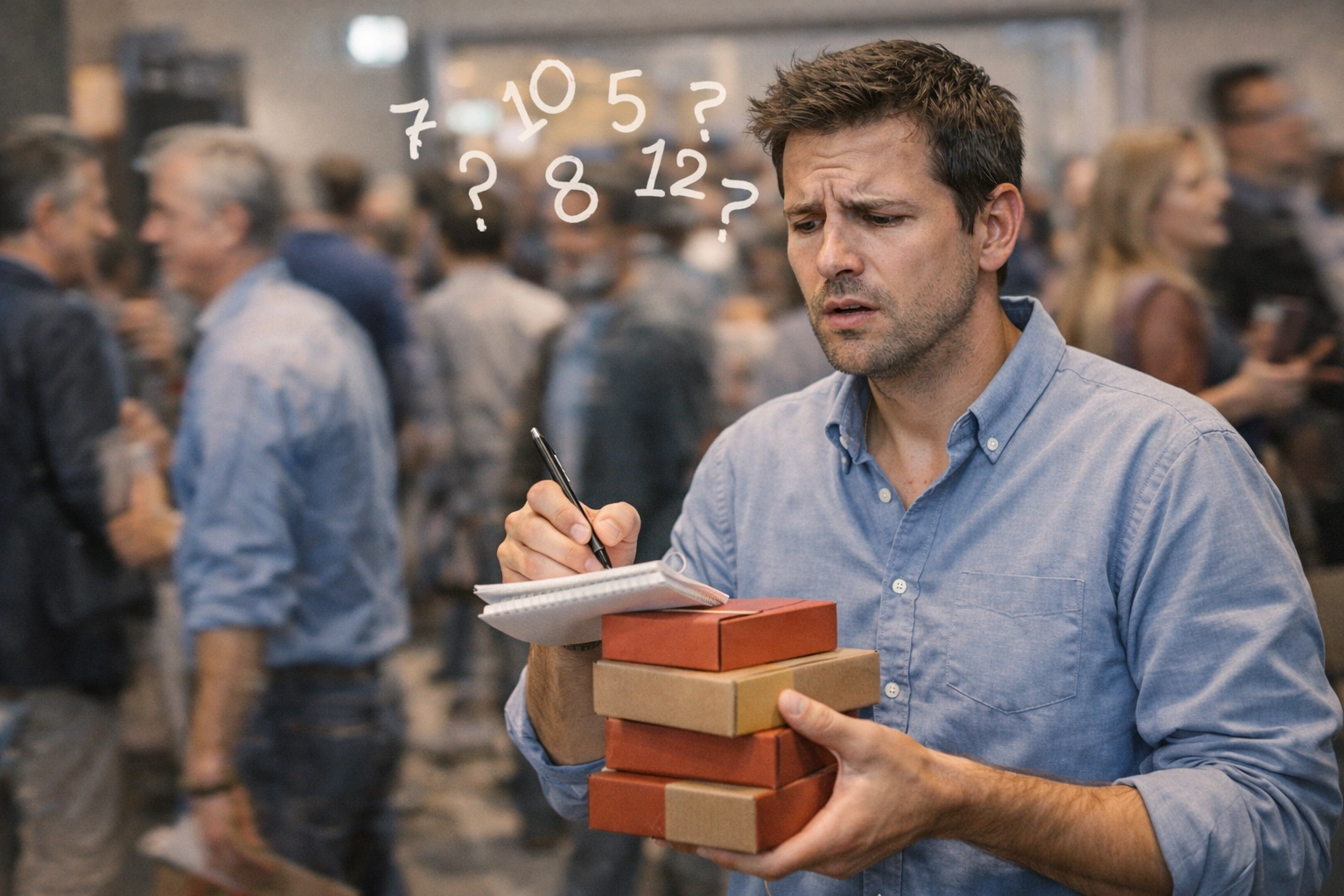
Counting looks like a very simple task. In many situations it really is simple. But when the environment becomes busy things can change quickly. Noise movement and distractions can make it hard to keep track of numbers.
People often lose count during events research observations or group activities. When this happens the final number becomes wrong. Even a small mistake can create problems especially when accurate counting is important.
That is why many people try to find simple ways to keep accurate count even when the situation becomes busy. With the right method it becomes much easier to track numbers and avoid losing track.
In this guide you will learn why counting mistakes happen and what methods can help you keep an accurate count in busy situations.

Why Counting Mistakes Happen in Busy Situations
Many people believe counting mistakes only happen because of carelessness. In reality there are many reasons why someone may lose track of numbers.
The most common reason is distraction. When people talk around you or when there is movement it becomes harder to focus on counting.
Another reason is speed. In busy environments things happen quickly. If you try to remember numbers in your head you can easily forget the last number you counted.
Fatigue is another factor. When someone counts for a long time the brain becomes tired. This makes it easy to skip numbers or count the same item twice.
Memory limits also play a role. Human memory is not perfect. When numbers increase quickly it becomes difficult to remember where you stopped.
These small problems may not look serious but they can lead to inaccurate results.
Situations Where Accurate Counting Is Important
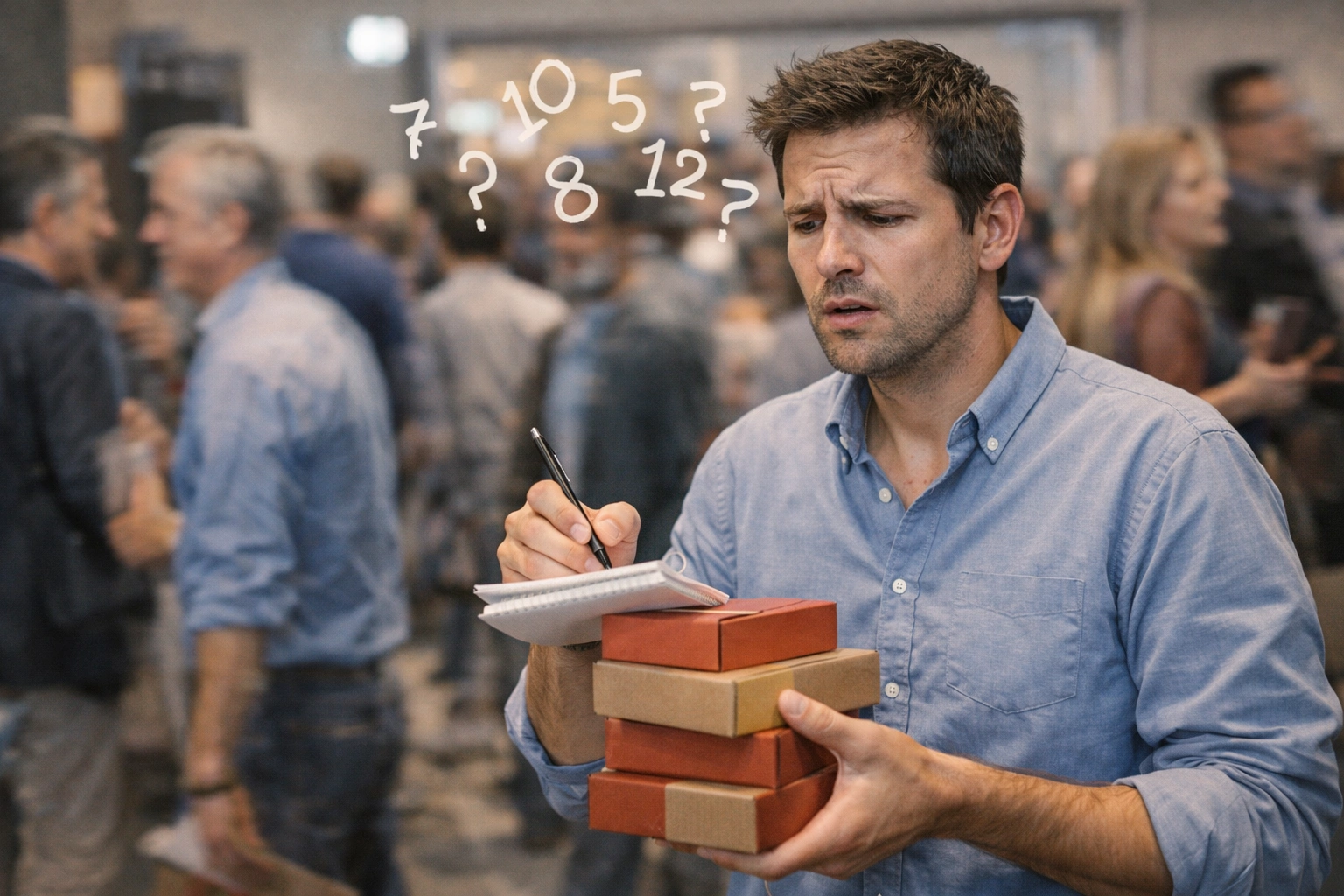
Accurate counting is important in many real life situations. Even a small mistake can change the final result.
One common example is event attendance. When people enter a room or hall quickly it becomes difficult to count each person correctly.
Another example is research observation. Researchers often need to record how many times a certain action happens. If the count is wrong the research result may also become incorrect.
Teachers sometimes need to count student responses during activities. If the class becomes active the teacher may lose track of the number.
Crowd monitoring is another situation where counting becomes difficult. When many people move at the same time it becomes hard to follow each individual.
These examples show why reliable counting methods are important.

Simple Methods to Keep Track of Numbers
There are several simple methods people use to keep track of numbers. These methods help reduce mistakes and make counting easier.
Counting in Small Groups
One helpful method is counting in small groups. Instead of counting every item one by one you can group them.
For example you can count items in groups of five or ten. This method reduces the total number of steps and helps your brain remember the progress more easily.
Using Visual Marks
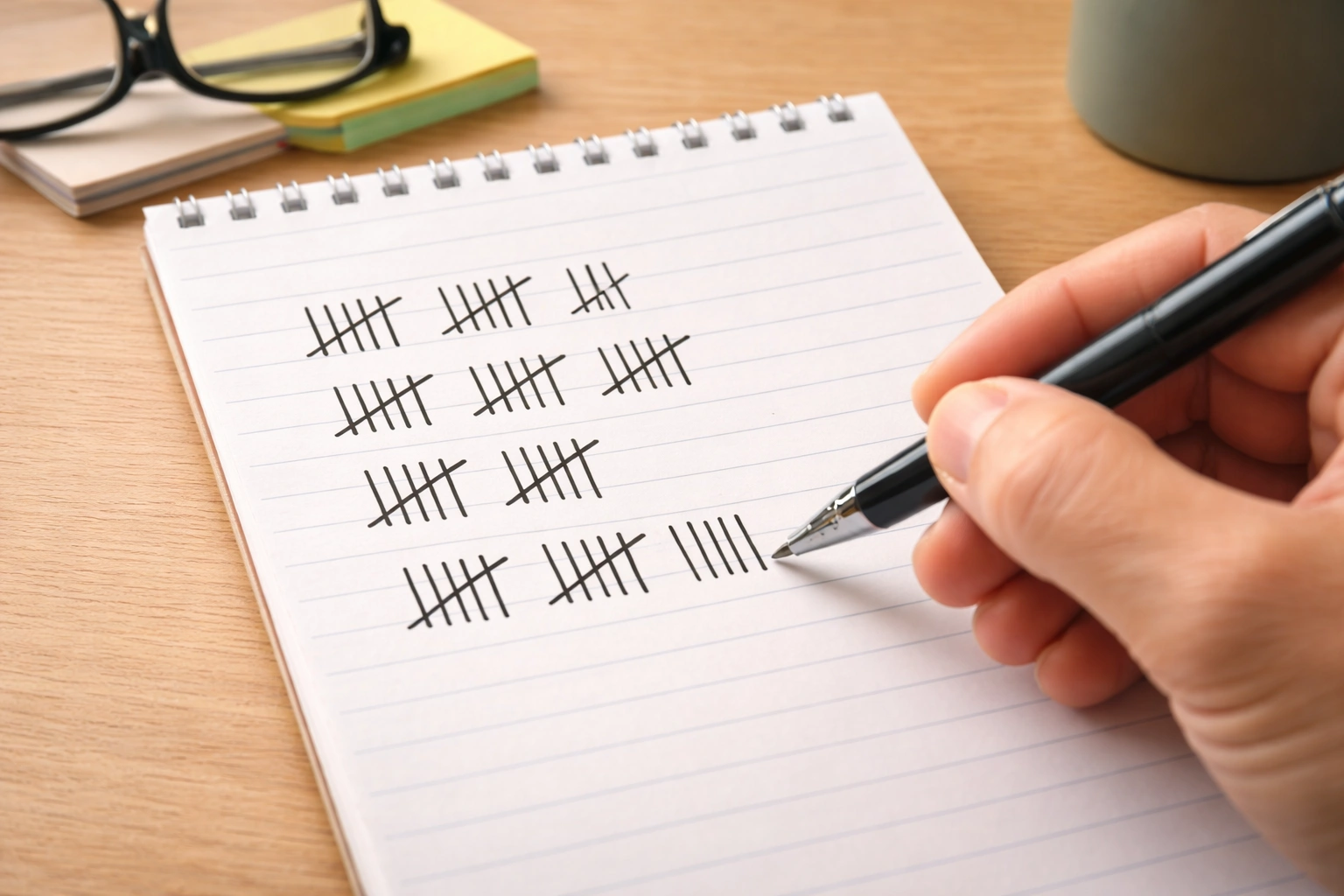
Some people use visual marks to track numbers. Each time something is counted a small mark is recorded.
This method works well when counting slowly. It gives you a visual record of your progress.
Speaking Numbers Out Loud
Another helpful trick is saying numbers quietly while counting. Hearing the number helps your brain stay focused and reduces the chance of skipping numbers.
Pausing to Confirm the Count
In busy situations it is useful to pause for a moment after every few counts. This helps confirm that the number is correct before continuing.
These simple methods can improve accuracy but they may still become difficult when the environment becomes very active.
Common Counting Mistakes to Avoid
Even when people try to be careful counting mistakes still happen. Understanding these mistakes can help prevent them.
One common mistake is counting too fast. When people rush they may skip numbers without noticing.
Another mistake is multitasking. Trying to talk listen and count at the same time often leads to errors.
Losing focus is also a big problem. If your attention moves away from the task you may forget the last number you counted.
Double counting can also happen. This occurs when the same item or action is counted more than once.
Some people also try to remember the number only in their head. This increases the chance of forgetting the count.
Avoiding these mistakes can improve counting accuracy in many situations.
Using a Digital Counter to Maintain Accuracy
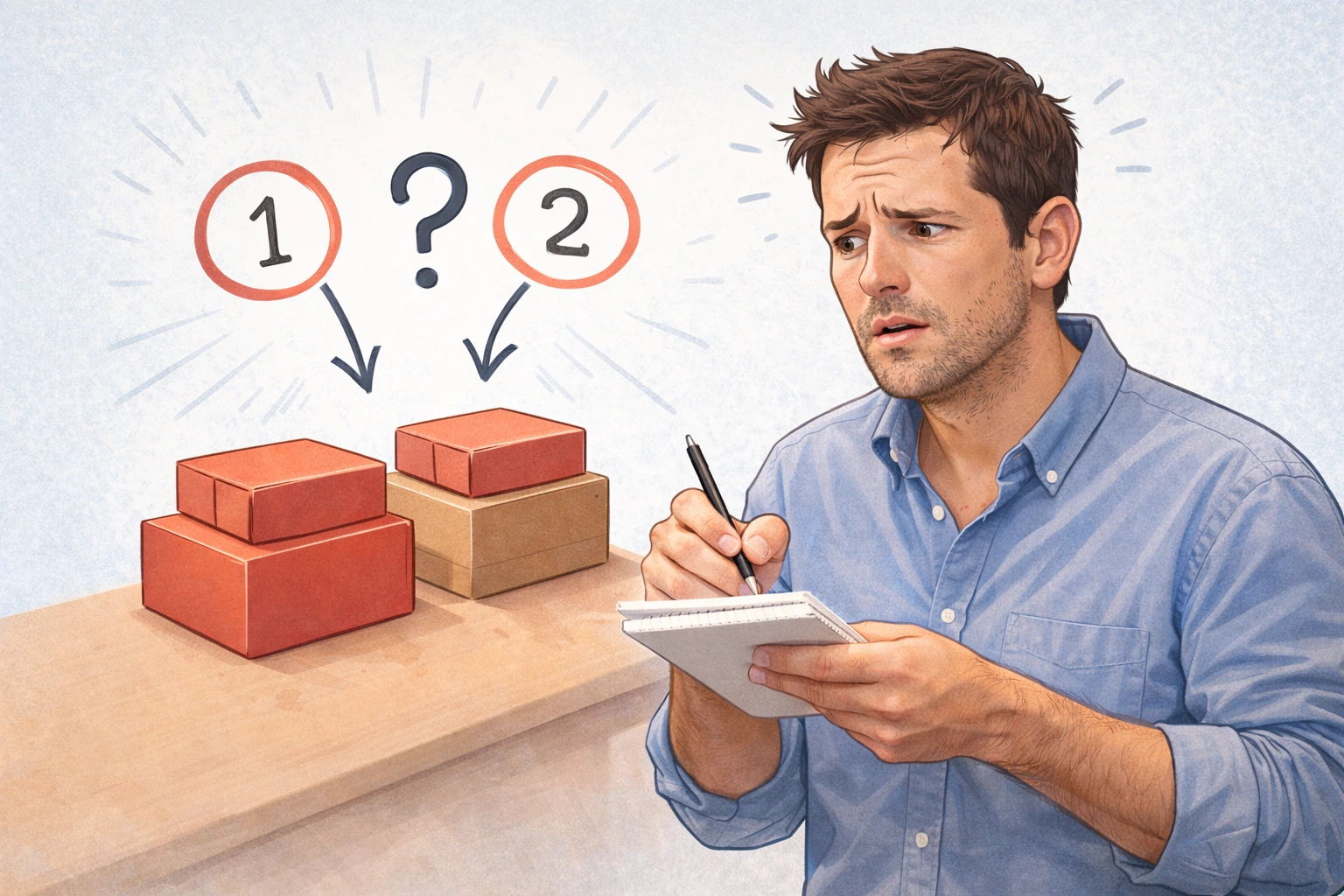
When situations become very busy manual counting methods may not be enough. This is why many people use digital counting tools.
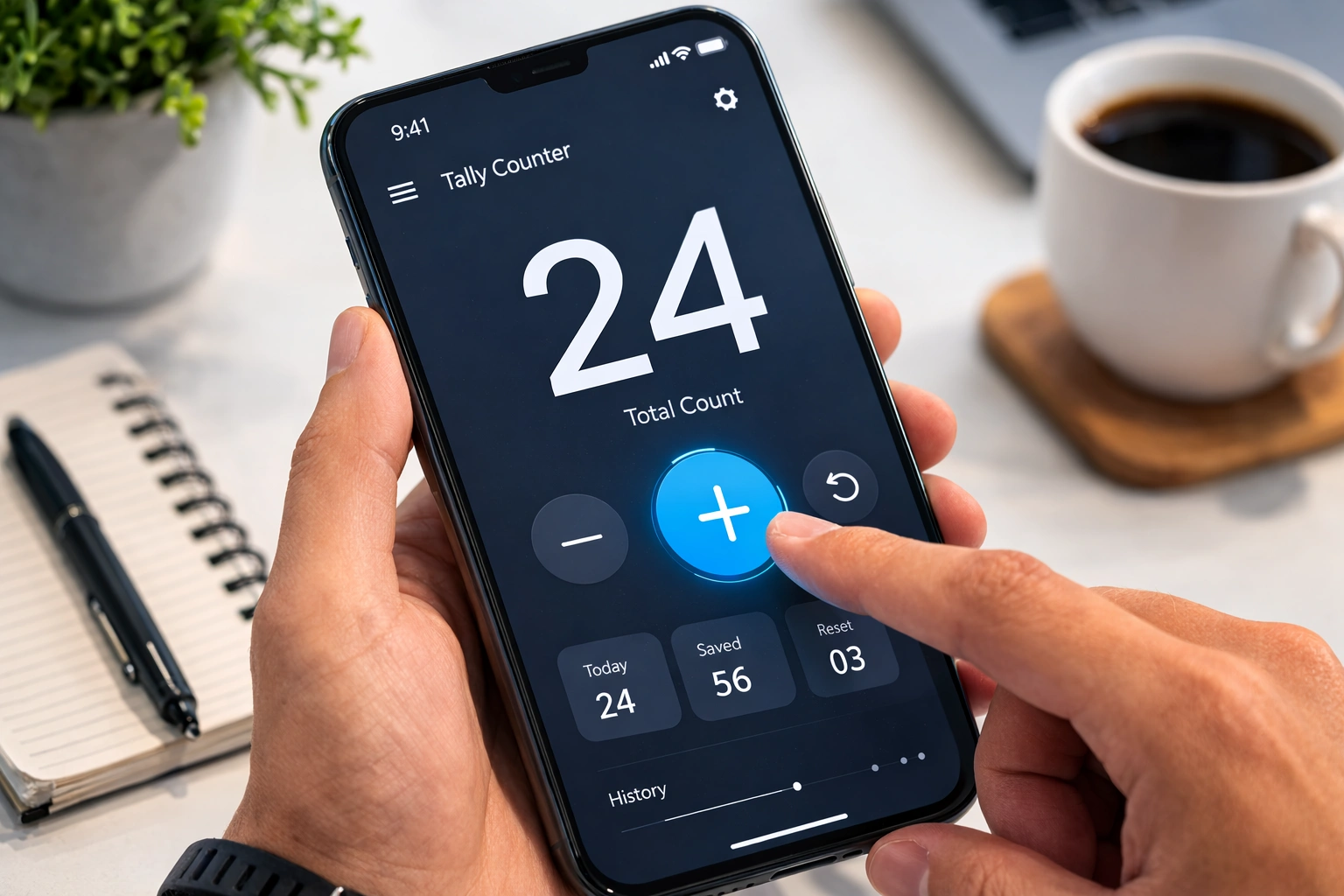
A digital counter allows you to increase the number instantly with a click or tap. Instead of remembering numbers the tool records the count automatically.
This makes it easier to track numbers when things are happening quickly. Each click increases the total so the count stays accurate.
If you need a simple way to track numbers during events research observations or activities you can try using an online tally counter available on our tool page. It allows you to record each count instantly which helps reduce mistakes during busy moments.
Digital counting tools are helpful because they remove the need to remember numbers manually.
Tips to Improve Counting Accuracy
There are several simple tips that can help improve counting accuracy in busy environments.
Stay Focused on One Task
Try to focus only on counting while the task is active. Avoid conversations or distractions that may break your concentration.
Use Clear Starting Points
Always begin counting from a clear starting point. This helps prevent confusion later.
Take Short Breaks
If counting continues for a long time take short breaks. This helps your brain stay fresh and reduces fatigue.
Use Tools When Needed
If the situation becomes too busy it is better to use a digital tool instead of relying on memory.
Check the Final Count
When possible review the final number to confirm accuracy. A quick check can help catch small mistakes.
These tips may look simple but they can make a big difference in real situations.

Conclusion
Keeping an accurate count in busy situations can be challenging. Distractions fast movement and fatigue can easily cause someone to lose track of numbers.
Understanding why counting mistakes happen is the first step toward solving the problem. Simple techniques such as grouping numbers using visual marks and staying focused can improve accuracy.
However when the environment becomes very active manual counting may still lead to errors. In these situations digital counting tools provide a more reliable way to record numbers.
By using the right methods and tools anyone can keep an accurate count and avoid losing track even in busy situations.